Deep Cleaning in Wandsworth
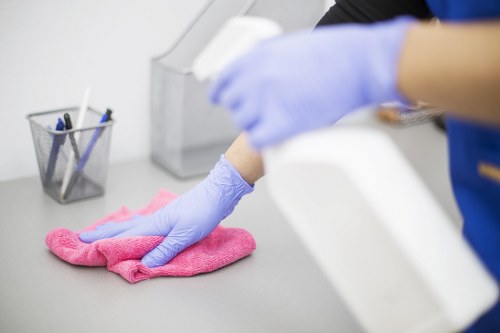
Deep Cleaning Wandsworth provides deep cleaning for homes and other domestic properties in Wandsworth, with a practical focus on thorough surface cleaning, careful attention to detail and a finish that reaches the areas regular upkeep can leave behind. The service is suited to one-off refreshes, seasonal resets and more demanding cleans that need a deeper, methodical approach. We work through rooms in a structured way so that visible surfaces, fittings and neglected corners receive proper attention.
Our approach is designed to support a broad range of domestic needs, from kitchens and bathrooms through to living rooms, bedrooms and circulation spaces. The work can include detailed wiping, dust removal, descaling, spot cleaning and other tasks that help restore a cleaner, more orderly environment. If you are comparing options, it is sensible to think about how much detail is needed in each room, which surfaces need extra care, and whether you want a full-property clean or selected areas tackled in depth.
The right plan often depends on the condition of the property and the priorities of the person arranging the work. Some customers want a comprehensive reset after a busy period, while others need focused attention on high-use rooms, stubborn build-up or neglected areas that require more than routine cleaning. Pricing and quotes can help you consider the scope of the work before you request a quotation, and it is often useful to decide in advance which rooms, fixtures and finishes matter most.
What a deep clean can cover
A deep clean is not just a quicker repeat of routine housekeeping. It is usually more detailed, more deliberate and more suited to areas where dirt, grease, dust or residue have built up over time. In practice, that may mean working around edges, tackling accessible skirting, removing surface grime from fittings and giving attention to spots that are often skipped in everyday cleaning. The exact specification should always match the condition of the property and the areas you want prioritised.
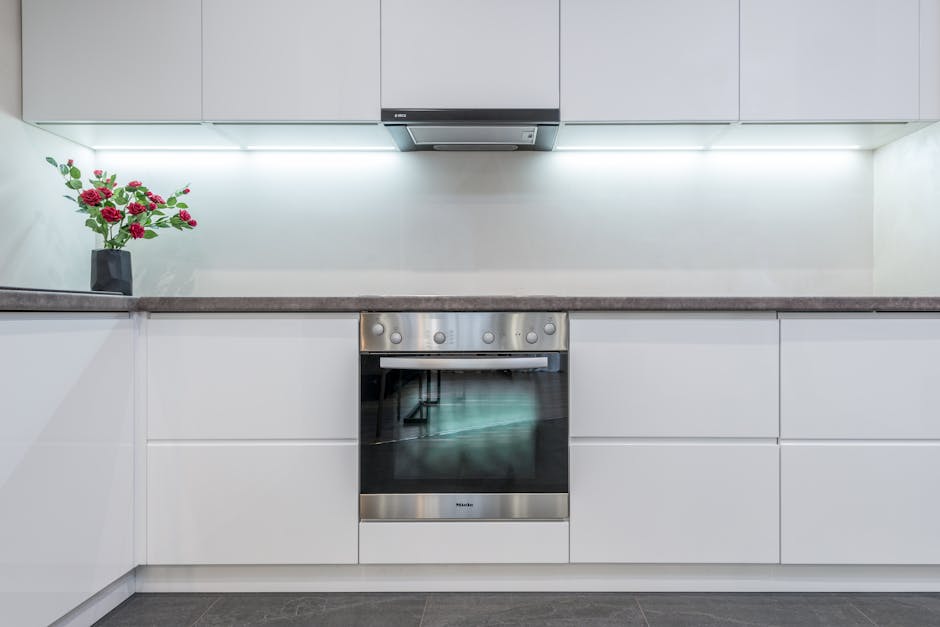
In kitchens, for example, this kind of work often concentrates on cleaner finishes around counters, splashback areas, cupboard exteriors, appliance fronts and other touchpoints that gather marks. In bathrooms, the focus may turn to taps, tiles, sanitaryware, shower screens and the types of build-up that make a room look tired even when it is otherwise tidy. Oven cleaning can be a useful addition where cooking residue is affecting the wider kitchen finish, although it should be viewed as a specific task rather than a blanket promise about every job.
Rooms and surfaces that benefit from detail
Living areas and bedrooms can also benefit from a more exacting pass, especially where dust settles along shelves, furniture edges, door frames, light switches and less obvious horizontal surfaces. Small details matter because they influence how clean a room feels overall. Where furnishings are present, a careful deep clean may include accessible upholstery, soft furnishings and floor-adjacent areas that accumulate dust over time. For some properties, that extra level of care is the difference between a quick tidy and a proper reset.
Kitchen, bathroom and appliance attention
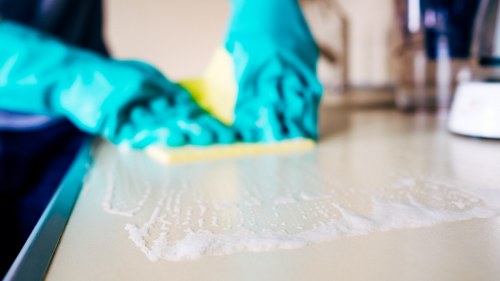
Kitchens and bathrooms usually need the most disciplined approach because they combine moisture, heat, grease and constant handling. A sensible deep clean will distinguish between ordinary dusting and the more targeted work required to remove build-up from splash-prone or high-contact surfaces. That can include scrubbing where appropriate, wiping down fittings with the right products and paying attention to residue around handles, seals and edges. The aim is a more complete finish without treating every surface in the same way.
In a kitchen, there is often a difference between general wiping and the more intensive work needed on ovens, hobs, extractor areas and cabinet fronts. The kitchen environment can also influence which products and tools are suitable, especially when dealing with delicate finishes or areas that need more restraint than force. Oven cleaner is a useful page for understanding one of the specialist tasks that may sit within a broader deep cleaning plan, particularly when cooking residue has spread beyond the appliance itself.
Bathrooms call for equal care, but for different reasons. Limescale, soap residue and damp-related marks can alter the look of the room even when the layout is simple. A proper deep clean often concentrates on the things people touch and see most: taps, basins, shower glass, tiles, toilet surrounds and other sanitary surfaces. The best result usually comes from working patiently and in the right order, rather than rushing through with a single pass.
Floor care and the finish underfoot
Flooring has a major influence on how clean a property feels, which is why deep cleaning often includes a careful review of hard floors, carpets or rugs where they are part of the home. Different materials need different methods. Hard floors may need washing, detailing along edges or a more controlled treatment to remove residue without leaving excess moisture behind. Carpeted areas need a different focus, especially if the aim is to lift embedded dirt rather than simply refresh the top layer.
Where floors are a priority, it helps to think about both appearance and condition. A deep clean should not ignore grout lines, corners, thresholds or areas behind furniture where dirt can build up unnoticed. The right treatment depends on the floor type, its finish and how much wear it has seen. Hard floor cleaning is one of the more relevant services where tiled, sealed or polished floors need specialist care rather than general wiping.
Soft flooring and fabric surfaces
For carpeted rooms and furnished areas, the scope may extend to carpet cleaning, rug cleaning, sofa cleaning or upholstery cleaning where those items need separate attention. These services are useful when the property includes soft surfaces that hold dust, spill marks or everyday wear more stubbornly than hard finishes. A deep clean of a home can be improved significantly when the floor and the furniture are treated with methods suited to their materials.
When a one-off clean is the right choice

Some customers need a deep clean as a standalone service rather than part of a regular cleaning arrangement. That can suit properties being refreshed after a busy period, homes being prepared for guests or places where the level of cleaning required is simply beyond a standard routine visit. A one-off approach allows the work to be planned around the actual condition of the property, giving more time to the spots that most need attention. One-off cleaning is a relevant option when the aim is a detailed reset without committing to an ongoing schedule.
One-off deep cleaning is also useful when different rooms need different levels of input. For example, the kitchen might need a more intensive clean than the bedrooms, or the bathrooms may demand most of the time because of build-up and fittings. A well-planned visit can allocate effort sensibly, so the important areas are not rushed. That kind of flexibility is one of the reasons people choose a focused clean instead of trying to catch up room by room on their own.
If the property includes a mix of surfaces, you may want to think in terms of task groups rather than just room count. Windows, floors, carpets, upholstery and high-touch fittings all contribute to the final result, and each can be handled more effectively when they are considered as part of an overall plan. The cleaner the brief, the easier it is to prepare a quotation that reflects the work involved rather than a generic estimate.
Domestic rooms and everyday living spaces
Deep cleaning in a home is often most valuable where everyday use creates a steady accumulation of dust, fingerprints, grease, crumbs and general wear. Domestic rooms are rarely uniform, so the work usually needs to adjust from space to space. Bedrooms may need dust control and careful surface cleaning, while lounges may call for more attention to furniture edges, display surfaces and areas around technology or decorative items. A domestic clean should feel considered rather than rushed.
In these settings, it is sensible to be realistic about what will improve most from a deep clean. Surfaces that are accessible and frequently used usually respond best to careful attention, while heavily soiled or damaged items may need a separate conversation before they are included. Domestic cleaning can sit alongside deep cleaning where the aim is to understand how a broader home service compares with a more detailed one-off specification. The distinction matters because the scope and intensity are not the same.
Windows, frames and the cleaner look of a room
Glass, frames and surrounding ledges can change the feel of a room more than people expect, especially when dust or residue collects at the edges. Window cleaning may be relevant where clearer light and a more polished appearance are part of the objective. It is not always necessary for every job, but it can add value in properties where the rest of the cleaning work would be undermined by tired-looking glass or neglected frames.
Preparing for a quotation

When asking for a quotation, the most helpful information is usually a clear sense of the property size, the rooms involved and any particularly demanding areas. It is also useful to note whether the job is a full-property deep clean or a more selective request. Photographs can help describe the condition of certain rooms, but they are only one part of the picture. Access arrangements, parking considerations and any specific surface concerns can also affect how the work is planned and priced.
If you are comparing services, focus on the tasks that matter most rather than trying to list every possible cleaning action in advance. A concise brief might include bathrooms, kitchen surfaces, floors, soft furnishings or appliance cleaning where relevant. Pricing and quotes is the obvious place to review the kind of information that helps shape an accurate estimate, and it can save time if you know which rooms need the deepest attention before you ask for figures.
It is also worth deciding whether the work needs to be grouped with related tasks. Some homes need a broader treatment that includes carpets or upholstery, while others are best served by focusing on kitchens and bathrooms alone. The clearer the scope, the easier it is to avoid under-specifying the job or paying for services you do not need. If you are ready to move forward, you can ask for a quotation with the areas most in need listed plainly.
Supporting services that may fit alongside deep cleaning
Deep cleaning often works best when it is matched with the right supporting tasks, especially in properties where different materials and finishes need separate care. For homes with visible build-up on fabrics, that might include upholstery or sofa treatment. For places with hard surfaces throughout, the focus may shift to floors, fixtures and detailed surface cleaning. The key is to avoid treating every property as if it has the same needs, because a tailored scope usually produces a better result.
Some customers also look at after builders cleaning when renovation dust, plaster residue or scattered debris has created an extra layer of work. That is a distinct category from a routine deep clean, but there is overlap in the level of detail required. House cleaning may be useful to compare as well, especially if you want to understand the difference between regular upkeep and a more intensive cleaning plan for the whole property.
- Use deep cleaning for neglected details, not only for visible surfaces.
- Choose related tasks only where they genuinely add value to the result.
- Match the scope to the condition of each room rather than using a fixed template.
- Consider specialist work for appliances, floors or fabrics where needed.
About Wandsworth
Wandsworth is a district in south-west London on the south bank of the River Thames, long associated with the river crossing, industry, housing growth and later regeneration. The area includes a mix of older streets, riverside stretches and more modern residential developments, with the name used both for the wider borough and for the historic district around Wandsworth Town. Its position beside the Thames has shaped its character for centuries, from trade and transport links to the presence of waterfront paths and open views in places along the river. The district is also known for Battersea Park nearby, the green spaces along the Thames Path and a network of local high streets that reflect everyday London life rather than a single architectural style. Historic buildings stand alongside newer apartment blocks, and the area includes examples of industrial heritage, civic buildings and converted sites that reveal earlier patterns of use. Transport has played a central role in its development, with rail and road connections helping it grow into a busy part of the capital. Wandsworth Common offers open ground and a quieter atmosphere, while the town centre has a more urban feel with shopping streets, pubs, offices and residential roads close together. The River Wandle, from which the name Wandsworth is derived, is part of the area’s identity even where it is not immediately visible in day-to-day movement. Overall, Wandsworth combines long-established London geography with practical modern neighbourhood life, creating a district with strong local character, varied streetscapes and a layered history that can still be read in its place names, transport routes and built environment.
Choose the scope that suits your home

A good deep clean should feel specific, not generic. That means identifying the rooms that need the most work, the materials that need the most care and the details that will make the biggest difference to the finished result. Whether the priority is a kitchen refresh, a bathroom reset, carpet or fabric attention, or a broader property clean, the best plan is the one that matches the home rather than forcing every job into the same shape. Clear instructions make it easier to shape the work properly and produce a quotation that reflects the real scope.
If you are still weighing up whether a deep clean is the right option, think about the state of the property, the surfaces most in view and the parts of the home that would benefit most from deliberate attention. The work can be adjusted around those priorities, and it is often more effective to concentrate on the areas that matter than to spread effort thinly across everything. That is where a tailored service earns its value. You can review the likely scope, decide what matters most and then request a quotation when you are ready.
Request a quotation when you are ready to share the rooms and surfaces you want covered, and we can help shape the work around your property’s needs. If you would like to compare related options first, you can also look at the supporting service pages mentioned above and decide which combination fits best before you enquire.